
Anhydrous vs Emulsified Cosmetics: Which Formula Reigns Supreme for Your Skin?

Choosing the right cosmetic formula can feel overwhelming with so many options available. Two common types stand out: anhydrous (oil-based) and emulsified (water-based) cosmetics. Each offers unique benefits and suits different skin needs. Understanding their differences helps you pick the best product for your skin’s health and appearance.
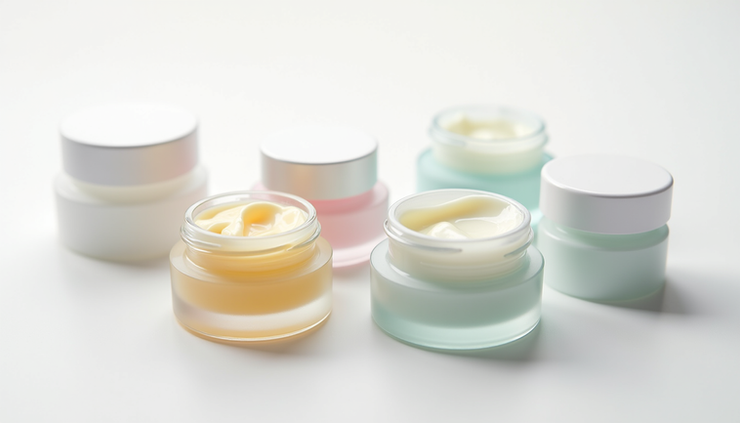
What Are Anhydrous Cosmetics?
Anhydrous cosmetics contain no water. Their formulas rely entirely on oils, waxes, butters, and other oil-soluble ingredients. Common examples include balms, solid perfumes, oil serums, and some lipsticks.
Key Features of Anhydrous Formulas
No water content means they are less prone to microbial growth, often requiring fewer preservatives.
They tend to be rich and concentrated, delivering intense moisturization and nourishment.
The texture is usually thick, oily, or waxy, which creates a protective barrier on the skin.
These products are often long-lasting and ideal for dry or sensitive skin types.
Benefits for Skin
Excellent for dry, flaky, or mature skin because they lock in moisture effectively.
The oil barrier helps protect skin from environmental stressors like wind and cold.
They can soothe irritation and support skin repair due to their emollient properties.
Anhydrous cosmetics often contain natural oils rich in antioxidants and fatty acids.
Considerations
They may feel heavy or greasy for oily or acne-prone skin.
Application can require warming the product between fingers or hands.
Some users find them less comfortable in hot, humid climates.
What Are Emulsified Cosmetics?
Emulsified cosmetics combine water and oil phases stabilized by emulsifiers. These include creams, lotions, gels, and mousses. The water content makes them lighter and easier to spread.
Key Features of Emulsified Formulas
Contain both water and oils, balanced to provide hydration and moisture.
Emulsifiers keep the formula stable and prevent separation.
Textures range from light lotions to rich creams, suitable for various skin types.
Require preservatives to prevent microbial growth due to water content.
Benefits for Skin
Ideal for normal, combination, and oily skin because they hydrate without heaviness.
Water content provides immediate skin refreshment and cooling effect.
Easier to absorb and spread evenly on the skin.
Can be formulated to target specific concerns like acne, aging, or sensitivity.
Considerations
Shorter shelf life compared to anhydrous products.
May cause irritation if preservatives or emulsifiers are not well tolerated.
Less effective at creating a strong moisture barrier in very dry conditions.
Comparing Hydration and Moisture Retention
Hydration and moisture retention are crucial for healthy skin but involve different mechanisms.
Anhydrous products focus on sealing moisture in by forming a protective layer. They do not add water but prevent water loss.
Emulsified products deliver water directly to the skin, providing immediate hydration and replenishment.
For example, if your skin feels tight and dry, an anhydrous balm can lock in moisture after applying a hydrating serum. Conversely, a water-based lotion can quickly refresh and hydrate skin that feels oily but dehydrated.
Suitability for Different Skin Types
Choosing between anhydrous and emulsified cosmetics depends largely on your skin type and concerns.
| Skin Type | Recommended Formula | Reason |
|---------------------|-----------------------------|-----------------------------------------|
| Dry or Mature | Anhydrous | Provides intense nourishment and barrier protection |
| Oily or Acne-Prone | Emulsified | Lightweight, non-greasy hydration |
| Sensitive | Depends on ingredients | Both can work if free from irritants |
| Combination | Emulsified or layered use | Balance hydration without heaviness |
Practical Examples of Use
Lip care: Anhydrous balms protect and heal chapped lips better than water-based lip glosses.
Face moisturizers: Emulsified creams with hyaluronic acid hydrate skin without clogging pores.
Body care: Anhydrous body butters are excellent for very dry skin patches, while emulsified lotions suit daily all-over use.
Makeup: Many foundations and concealers are emulsified for smooth application, but some oil-based highlighters offer a dewy finish.
Storage and Shelf Life
Anhydrous cosmetics generally last longer because they lack water, which supports bacterial growth. They often do not require strong preservatives. Exposing an anhydrous product to water reduces the shelf life and increases the likely hood of microbial growth. Anhydrous products are more sensitive to temp changes and often have a lower melting point. Emulsified products need preservatives and careful storage to maintain safety and effectiveness.
Environmental and Packaging Considerations
Anhydrous products often come in solid or semi-solid forms, reducing the need for plastic packaging. Exposure to heat can clean to melting and a mess.
Emulsified products usually require airtight containers to prevent contamination.
Both types can be formulated with natural or synthetic ingredients, so checking labels is important for eco-conscious consumers.
How to Choose the Right Product for You
Assess your skin type and current condition.
Consider climate and season; dry winters may call for anhydrous creams, while humid summers favor emulsified lotions.
Test products on a small skin area to check tolerance.
Look for formulas with ingredients that address your specific skin concerns.
Final Thoughts on Anhydrous and Emulsified Cosmetics
Both anhydrous and emulsified cosmetics have distinct advantages. Anhydrous formulas excel at protecting and nourishing dry skin, while emulsified products offer refreshing hydration suitable for a wider range of skin types. The best choice depends on your skin’s needs, lifestyle, and preferences.


Comments